Built for a Different Time: Older Homes vs. Modern Homes
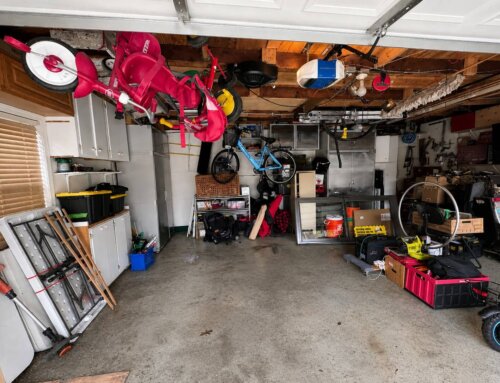
When evaluating an older garage, one of the most common frustrations homeowners run into isn’t just the condition of the limited space within the actual structure.
Years ago, garages were built with very different needs in mind. A space for one small vehicle was often enough. Today, that same footprint is expected to handle multiple vehicles of various sizes, storage, tools, lawn equipment, and sometimes even workspace or hobby areas.
At first glance, it might seem like expanding or reworking the existing structure is the obvious solution. But several factors can make that much more complicated and expensive than expected.
It Was a Different Time
Older garages were typically smaller in both width and depth. Vehicles were much smaller in size, storage needs were minimal, and features like overhead doors, electrical systems, and insulation were often basic or nonexistent and unnecessary.
Fast forward to today, where vehicles come in all sizes, space for lawn tools and snowblowers is needed, as well as storage for holiday decorations and sport equipment.
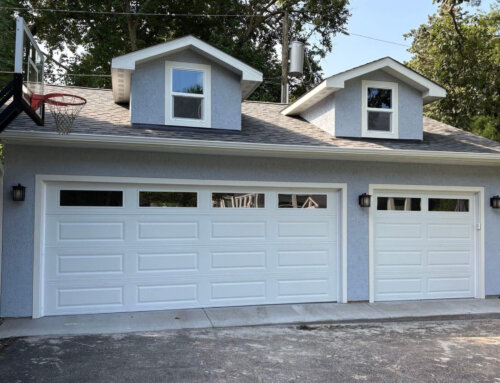
Not to mention that today, this space has also become very multi-purposed, being utilized for golf simulators, yoga studio space, or having a loft built for additional living space.
Property Setbacks: The Invisible Boundary
One of the first hurdles when considering a new structure is local zoning regulations, specifically property setbacks. These rules and regulations dictate how close a structure can be built to property lines, alleys, and other structures.
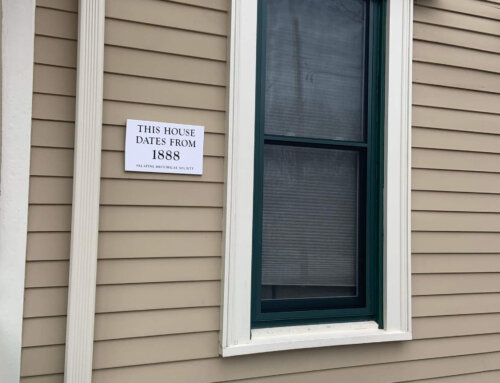
In many cases, older garages were built before current setback requirements were established—or under different guidelines entirely. While they may be “grandfathered in,” expanding them often triggers the need to comply with current codes. These codes may limit the size of the structure, determine the direction the structure faces, and if located in a Historical District – will have be approved by a historical committee.
This can quickly change what seemed like a straightforward project into a much smaller—or even unworkable—option.
Placement
Where your current garage sits on your lot plays a major role in what’s possible. Many older garages were positioned based on convenience at the time, not long-term flexibility. Today, those garages might be too close to the property lines or nearby buildings, or lots may restrict the expansion of your current structure.
Driveway Access and Functionality
Driveways and alley access points were designed around the original size and placement of the garage. When you change the footprint of the structure, you need to consider your access to the structure. A new driveway or apron may be necessary to provide safe access to the garage avoiding tight turning radiuses and misalignment with the new structure.
The Value of Starting Fresh
After factoring in setbacks, placement, and access, many homeowners come to the same realization: the existing footprint simply can’t support their needs.
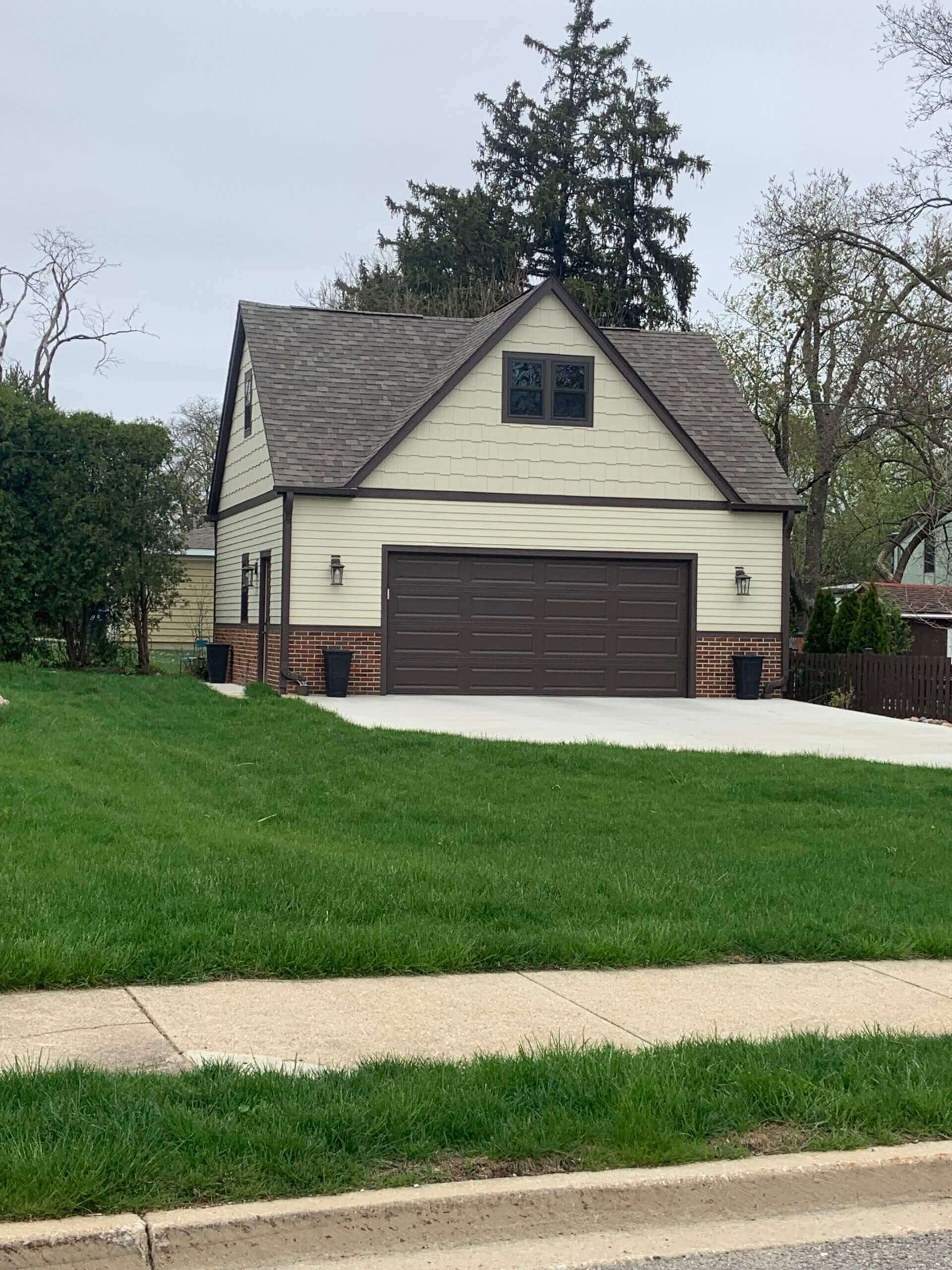
This is where rebuilding often becomes the more practical solution. Starting new allows you to design a structure that will meet your needs – not just squeezing in what the space provides while meeting current municipality codes.
An older garage can have plenty of character—but that doesn’t always translate into usability. When space is limited and expansion is restricted, it’s important to take a step back and look at the bigger picture.
Sometimes, the best way to move forward isn’t to stretch what’s already there, it’s to create something new that truly meets the way you live today.
For a FREE consultation and estimate, contact Heartland Garage Builders at HeartlandGarageBuilders.com or 224-326-2698.