What Is Knob and Tube Wiring?
Older homes hold a lot of history and charm, however, that charm is often outdated and in need of repair or replacement. One of the most common outdated systems still found in older structures throughout the Chicagoland area is knob and tube wiring.
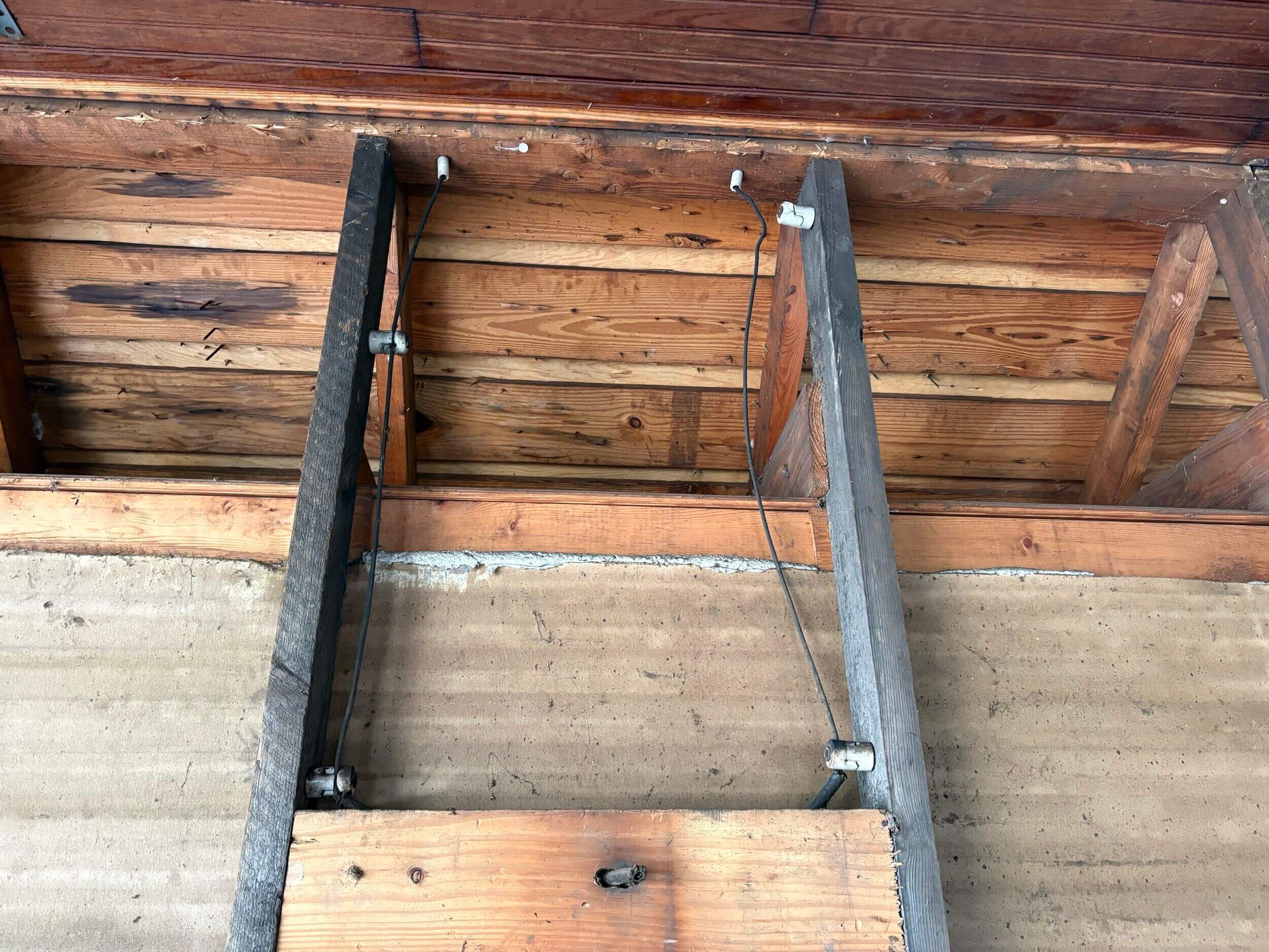
Knob and tube wiring was one of the earliest standardized electrical systems, commonly installed in homes and garages from the late 1800s through the 1930s. It gets its name from the ceramic “knobs” that support the wires along framing members and the “tubes” that protect wires as they pass through wood.
This single-insulated wire does not include a ground wire – which is essential in regard to the safety of the structure. While effective in its day, this type of electrical work was designed for homes with few lights and maybe a radio. Unlike our modern electrical demands today.
Why Knob and Tube Is a Concern Today
- Increased Fire Risk
Over time, the insulation on these wires becomes brittle and can crack or deteriorate. Without grounding and with exposed wiring, the risk of overheating or sparking increases—especially when modern appliances are added to the system. Splices, added outlets, or DIY fixes over the history of the home can create serious safety hazards behind walls or ceilings. - Not Built for Modern Electrical Demand
Today’s garages often power overhead doors, lighting, tools, battery chargers, and sometimes even heaters or EV chargers. Knob and tube wiring can’t safely handle that kind of load. Even in modern homes, it is crucial that the electrical panel should be assessed prior to any electrical additions as every panel has their limit. - Insurance and Code Issues
Many insurance companies either won’t cover structures with active knob and tube wiring or will charge significantly higher premiums. Additionally, most municipalities require updated electrical systems to meet current building codes during major renovations or new construction. An electrical upgrade might not be an initial part of a renovation or building, therefore might add an additional, unexpected cost to the project. However, at the end of the day, safety should always come first.
Why Rebuilding with Updated Electrical Is the Smart Choice
If your existing garage still relies on knob and tube wiring, rebuilding offers the opportunity to start fresh with a system designed for today’s needs.
Modern Safety Standards
New electrical installations include grounded wiring, proper circuit protection, and safer materials that significantly reduce fire risk, meeting the municipality codes and regulations. This updated electrical is typically installed in a way that allows you to finish the interior later if you choose. Wiring is recessed and organized, making future upgrades seamless.
Capacity for Today—and Tomorrow
Whether you’re using your garage for storage, a workshop, home gym, or planning for future upgrades, modern electrical systems can handle increased demand and are safely designed with expansion in mind.
Improved Functionality
Strategically placed outlets, bright LED lighting, exterior lighting, EV chargers, and dedicated circuits for equipment all contribute to a more usable and efficient space.
If you’re already considering rebuilding or significantly upgrading your garage, updating the electrical system isn’t just an improvement, it’s a necessity. A new structure with modern electrical service ensures your investment is safe, functional, and ready to meet your needs for years to come.
For a FREE consultation and estimate, contact Heartland Garage Builders at HeartlandGarageBuilders.com or 224-326-2698.