Garage Placement – What Works Best For Each Property
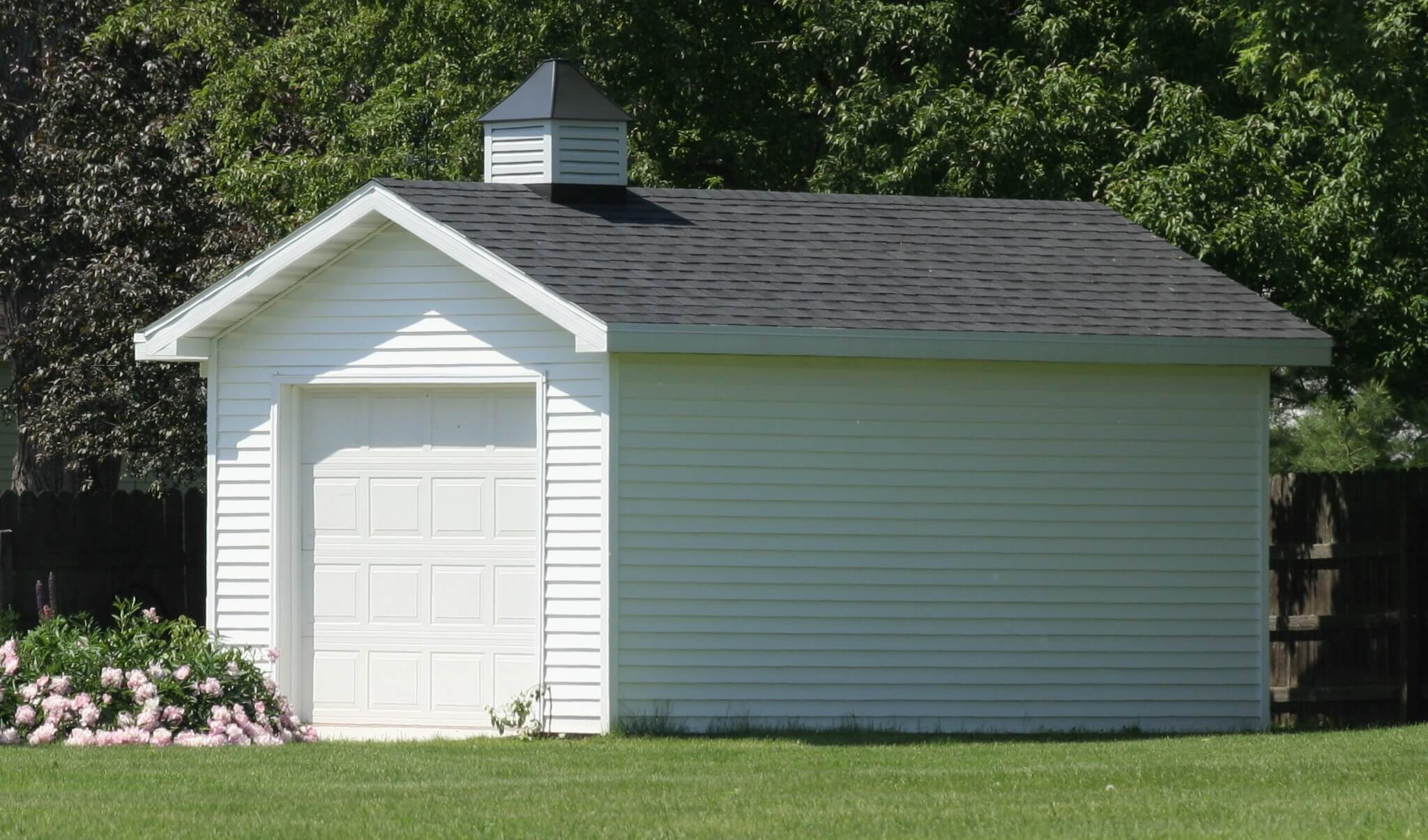
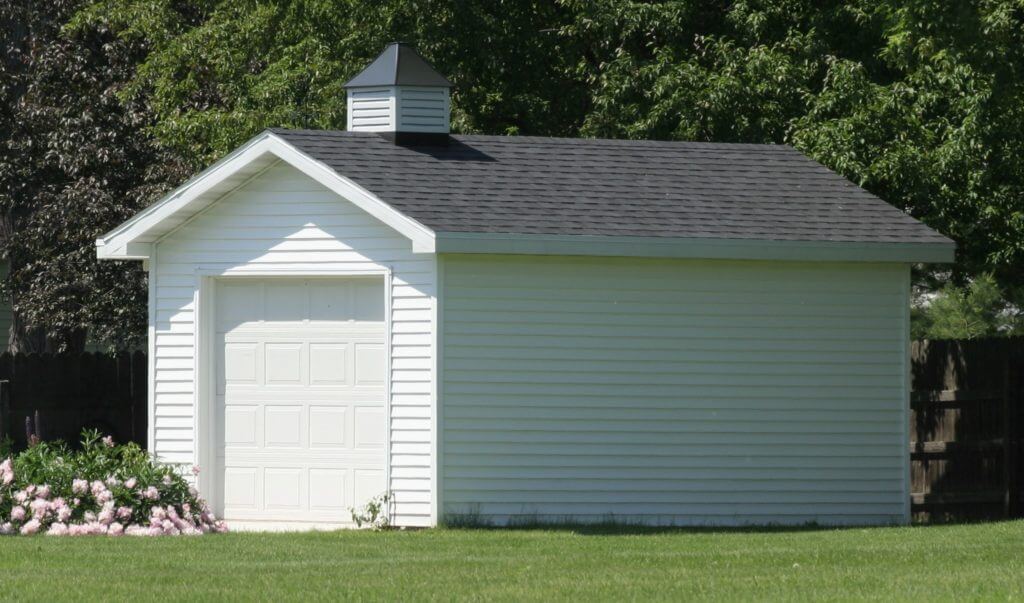
Often owners are simply interested in replacing their existing garage in the same location: seems logical, right? In most cases the answer to this question is “Yes”, though your municipalities zoning ordinance and building code requirements may require some slight adjustments.
From the need to fire-rate some or all walls of the replacement garage due to its proximity to either the property lines or your home, to the fact that the existing structure was positioned by a previous owner in a “non-conforming” location, there may be some requirements for the new building to be moved to accommodate the various current codes.
What Determines Garage Placement?
Typically, a detached garage has been located behind the home at the end of a concrete or asphalt driveway usually towards the rear property line. This was designated during the time the subdivision was created as a way to ensure the architecture of the residence remains the primary focus of the lot.
Separately, some zoning ordinances have specific encouragements within their language to locate garages towards the rear of the lot to ensure that the home’s architecture stands on its own and that the “bulk’ or” mass of the garage doesn’t add to the feeling of taking up too much space on the lot.
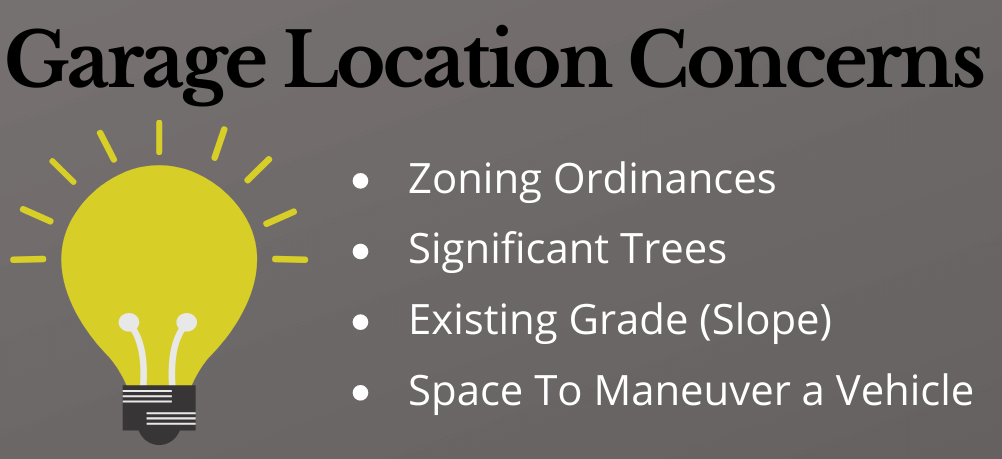
Other considerations include the location of significant trees that provide good cover during summer within the back yard which need to be preserved during the planning phase of a replacement or new garage.
Additionally, the existing grade (i.e. slope) of the property can have a bearing on the location of the garage’s slab since locating with a heavily sloped region of the lot can be done but will necessitate a potentially large amount of concrete.
The most significant consideration on the location of the garage is to ensure that your new garage provides sufficient space to access the overhead door to maneuver both vehicles in and out of the garage.
This differs from lot-to-lot, though it is the proximity to the home that is of principal concern here. Ideally, having at least 20-feet from the back to the home to the front of the garage – as long as the garage isn’t hidden directly behind the house – typically provides sufficient space to get vehicles in through the overhead door and then to reverse them out and back down the driveway.
Finishing the garage to match the overall look of the home is a good way to get the most out of this significant investment and ensuring its optimal location on the property will add to your enjoyment of the garage!
Heartland Garage Builders Offers Free Consultations
If you are looking to build a detached garage and contact Heartland Garage Builders for a FREE consultation, at 224-326-2698 or book online at HeartlandGarageBuilders.com.
- How Long Does It Take to Build a Detached Garage in Chicagoland?
- Week Four: Design Your Garage Around Your Car
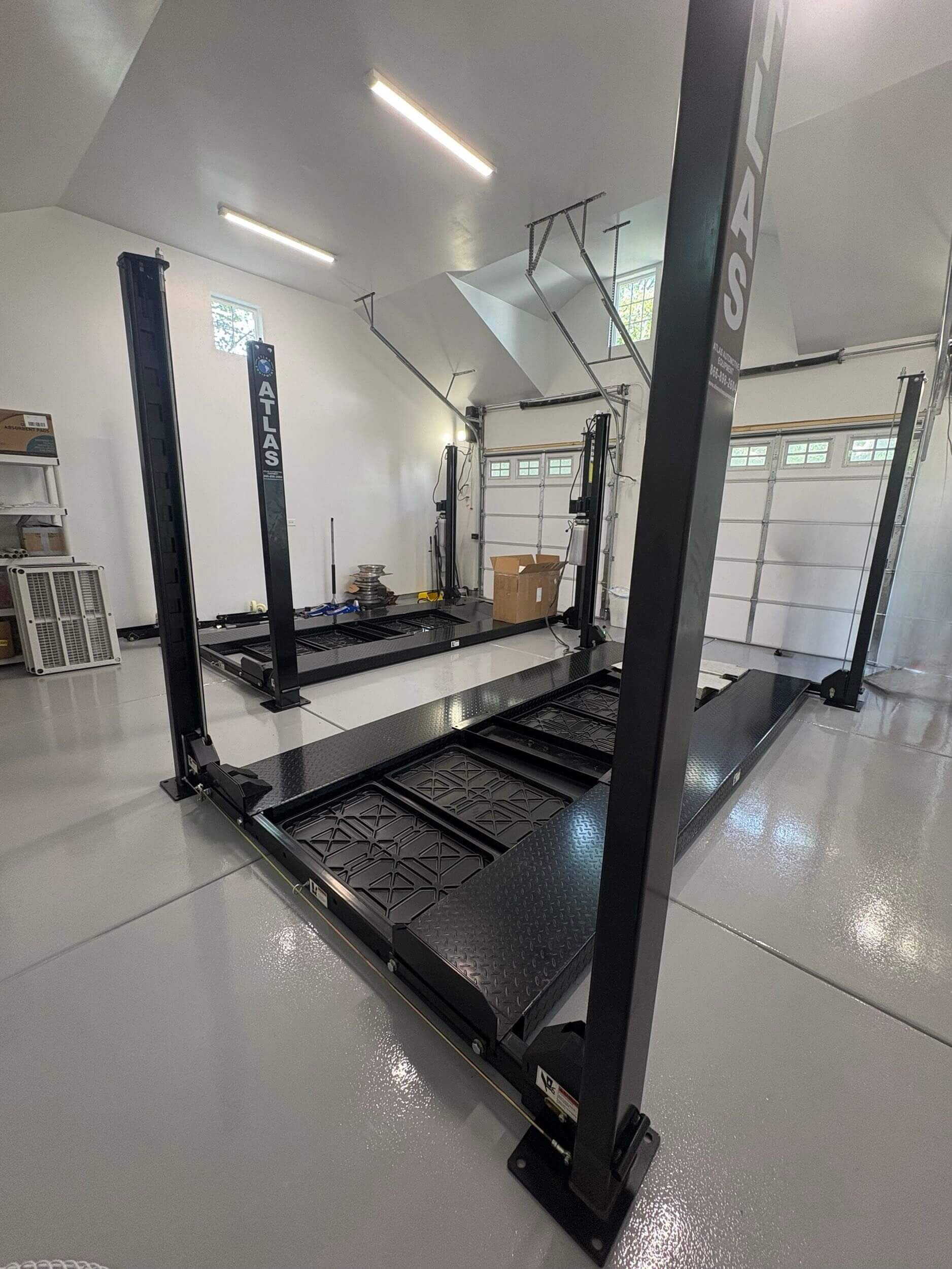 Some people see a garage and see parking. An automotive enthusiast sees something else entirely.
 - Week Three: Design Your Garage Around a Workshop
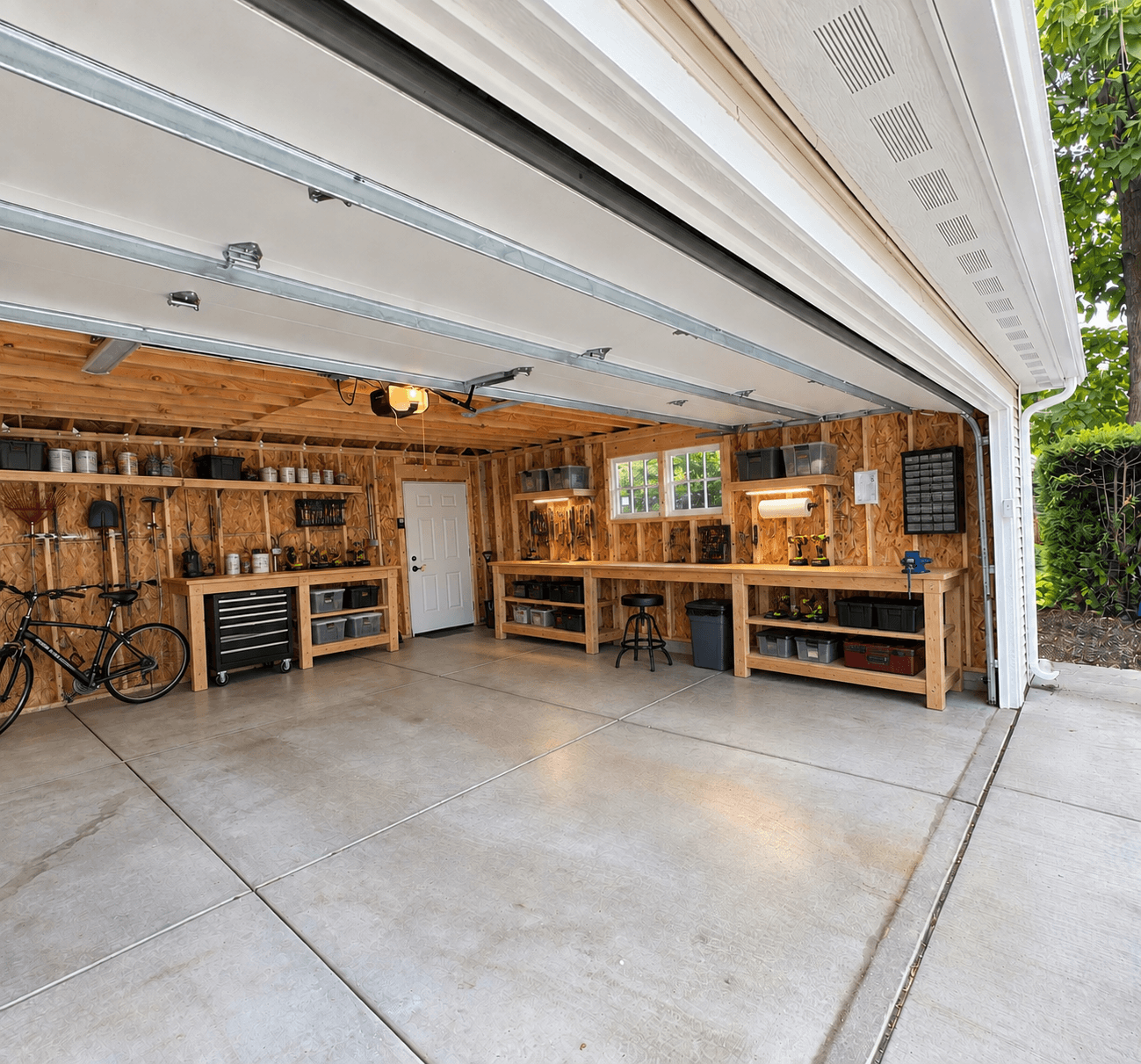 There’s something satisfying about having a place where you can make, repair, restore, and build.
 - From Off-Site RV Storage to a Custom Garage in Northbrook, IL
- Week One: Design Your Garage Around FootballFall in Chicagoland means changing leaves, cooler temperatures, and football. And if your garage is
- Why Your Garage Project May Take More Planning Than You Think
 When most homeowners think about building a new garage, they usually think about the fun