Why Your Garage Door Struggles in Cold Weather—and How to Fix It
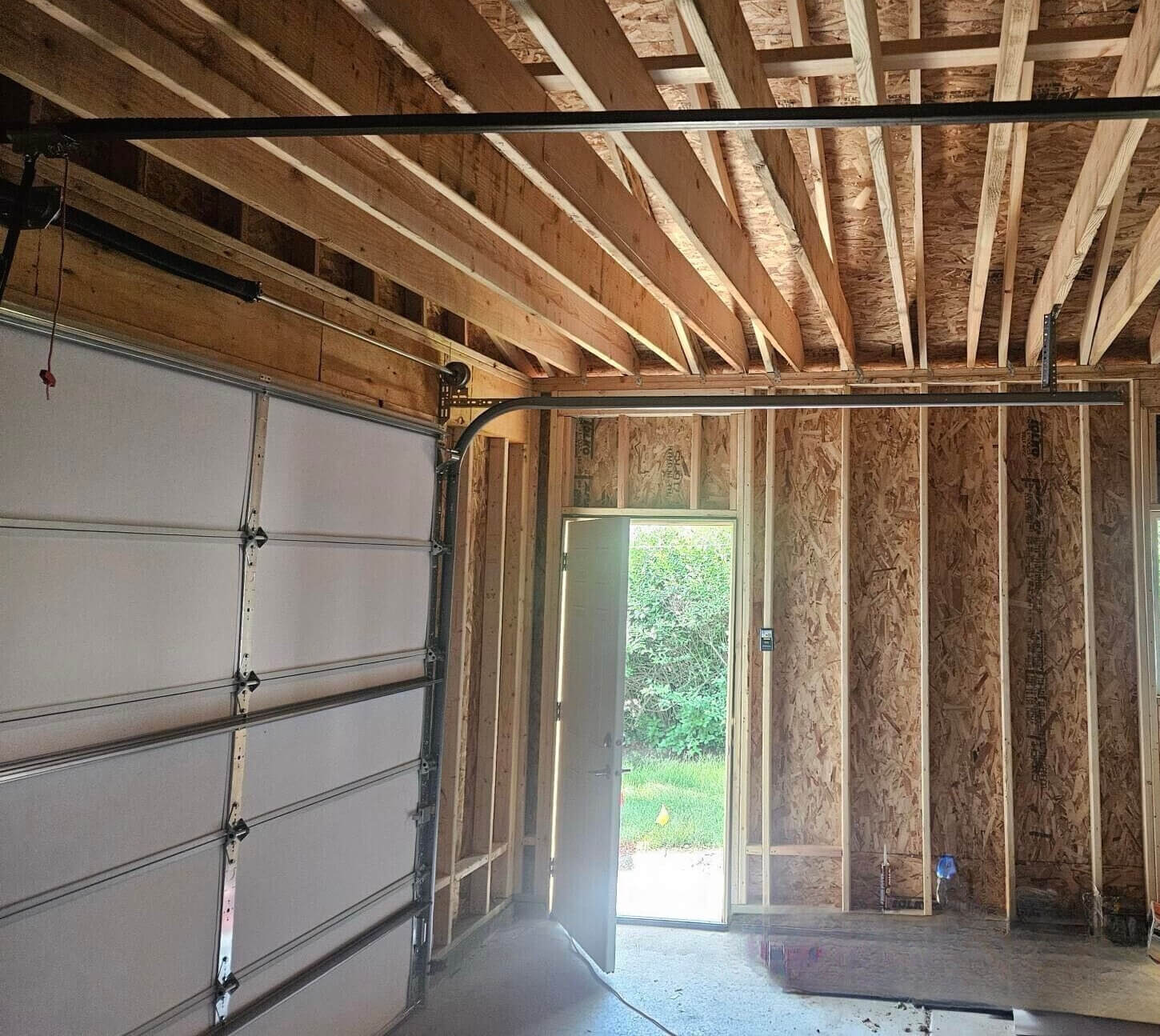
When winter arrives, many homeowners notice their garage door suddenly becoming slow, noisy, or unreliable. In cold climates like the Chicagoland area, freezing temperatures, snow, and ice can take a toll on garage door systems, especially if the door or structure is aging. Understanding why your garage door struggles in cold weather can help you prevent damage, avoid costly repairs, and keep your daily routine running smoothly.
Why Cold Weather Affects Garage Doors
Garage doors are made up of many moving parts, most of them metal. Cold temperatures cause metal to contract, lubricants to thicken, and moisture to freeze—each of which can interfere with normal operation.
Common winter-related issues include:
- Doors moving slower than usual
- Loud squeaking or grinding noises
- Doors that won’t fully open or close
- Remote controls or openers struggling to respond
- Locks and tracks freezing shut
Common Cold-Weather Garage Door Problems
- Thickened or Frozen Lubrication
Standard grease or oil can thicken in low temperatures, making it harder for rollers, hinges, and springs to move smoothly. This added resistance puts strain on the door and opener. - Metal Contraction
As temperatures drop, metal components such as tracks, springs, and hardware can contract. Even small changes can affect alignment, causing the door to bind or operate unevenly. - Frozen Tracks and Rollers
Snow and ice can accumulate in tracks or around rollers. When moisture freezes, it can prevent the door from moving at all—or cause it to jerk and strain during operation. - Worn or Damaged Weather Seals
Cracked or missing weather stripping allows cold air, snow, and moisture to enter the garage. This not only increases freezing issues but also impacts energy efficiency and comfort. - Weak or Aging Garage Door Openers
Cold weather can reveal weaknesses in older openers or motors. If your opener is already struggling, winter temperatures may push it beyond its limits.
How to Fix and Prevent Cold-Weather Garage Door Issues
- Use a Cold-Weather Garage Door Lubricant
Apply a silicone-based or lithium-based lubricant designed for winter conditions to hinges, rollers, springs, and tracks. Avoid standard grease that can gum up in the cold. - Keep Tracks Clean and Dry
Regularly remove snow, ice, and debris from the tracks. After heavy snowfall or freezing rain, take a moment to inspect and clear the area around the door. - Replace Worn Weather Stripping
Installing new bottom seals and side weather stripping helps keep cold air and moisture out, reducing the likelihood of frozen components. - Inspect Door Balance and Hardware
Cold weather makes existing mechanical issues more noticeable. If your door feels heavy, uneven, or loud, a professional inspection can help prevent further damage. - Consider Insulation or a New Garage Structure
An insulated garage door or a properly built, well-sealed garage can significantly improve winter performance. Insulation helps stabilize temperatures, protects mechanical components, and increases overall durability.
Cold weather doesn’t have to mean daily garage door headaches. With proper maintenance—and the right upgrades—your garage door can operate smoothly all winter long.
If you’re thinking about improving or rebuilding your garage, winter is actually the perfect time to plan. Permits, design, and preparation can happen now, so your project is ready to move forward when the weather allows.
For a FREE consultation and estimate, contact Heartland Garage Builders at heartlandgaragebuilders.com/ or 224-326-2698.